From War’s Weary Trenches to Table Talks: How Ukraine’s Nod to Trump’s 19-Point Plan Sparks Hope for Holidays Without Sirens
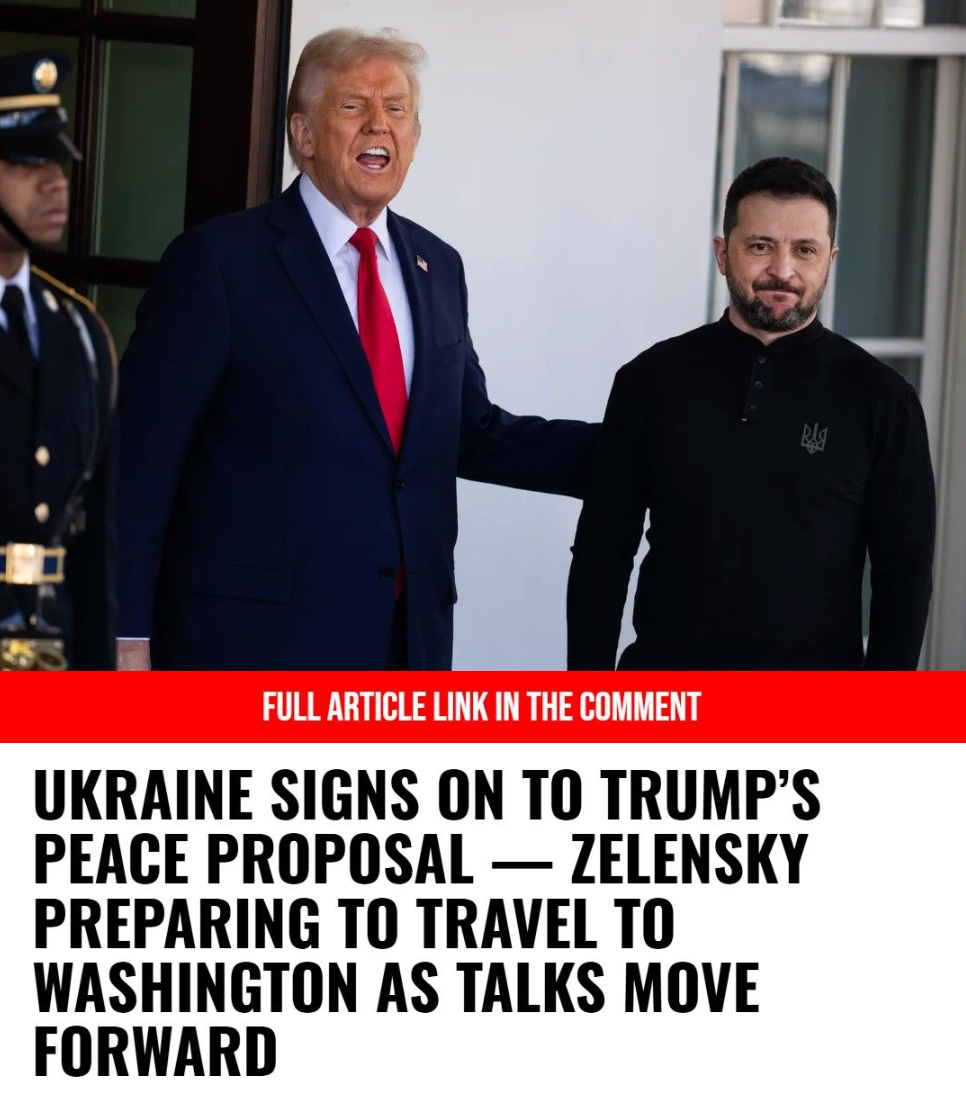
In the frost-kissed fields outside Kharkiv, where the first snow dusts the black soil like a tentative veil over scars of shelling, 12-year-old Anya Kovalevsky pauses on her walk home from school, her backpack heavy with textbooks and a lunchbox half-eaten in haste. It’s November 25, 2025, and as Anya kicks at a frozen puddle, the crackle of her father’s old radio spills out the news from a distant Kyiv broadcast: Ukrainian officials have agreed to a 19-point peace framework brokered by the United States, with minor details left to iron out before President Volodymyr Zelenskyy heads to Washington to finalize terms. For Anya, whose mornings have been punctuated by air raid drills since Russia’s full-scale invasion in February 2022, the words feel like a fragile melody amid the silence of suspended classes and shuttered playgrounds—a whisper of playground laughter returning, of her brother no longer scanning skies for drones. “Will Papa come home for Christmas?” she asks her mother that evening over a dinner of potato varenyky, her small voice carrying the weight of 1,000 nights spent in basements with flashlights and fairy tales. Her mother’s embrace tightens, eyes glistening with the mix of relief and reservation that has defined their days, a sentiment echoing across Ukraine’s war-torn tapestry where families cling to headlines like lifelines, dreaming of holidays marked by hearth fires rather than headlines of horror. This agreement, confirmed by ABC News through a U.S. official who spoke on condition of anonymity, isn’t a signed treaty yet—it’s a scaffold of possibility, a human story of endurance where the promise of peace touches the tender edges of lives put on hold.
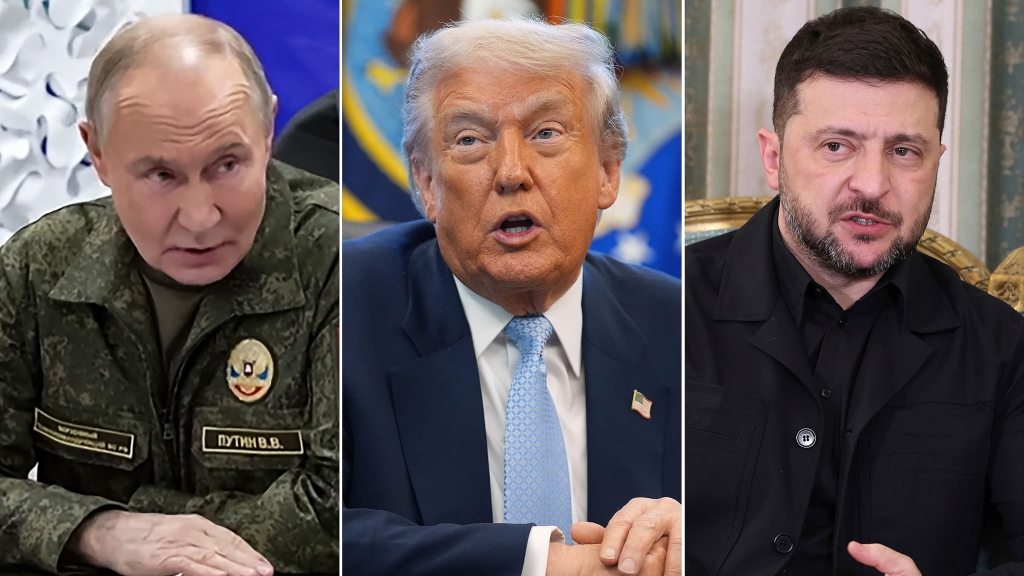
The framework’s contours, sketched in backchannel talks that began shortly after Trump’s January 20 inauguration, represent a delicate weave of concessions and commitments, designed to halt the fighting that has claimed over 500,000 lives on both sides since 2022, according to United Nations estimates through October 2025. At its core are phased ceasefires along current front lines, with international monitors from neutral parties like India and Brazil overseeing withdrawals in contested areas such as Donetsk and Luhansk. Economic lifelines follow: $50 billion in frozen Russian assets redirected to Ukraine’s reconstruction, paired with U.S. guarantees for agricultural exports through Black Sea corridors secured by joint patrols. Security pacts outline a 10-year neutrality clause for Kyiv, forgoing NATO membership in exchange for bilateral defense accords with Washington, while cultural sites like Odesa’s historic port gain UNESCO protections amid demining efforts projected to clear 200,000 square kilometers over five years. Zelenskyy, the 47-year-old former comedian whose wartime addresses have blended resolve with quiet vulnerability—often ending with pleas for his two children’s safety—has framed the accord as “a path to preserve our future, not surrender our past,” in a November 24 address to the Rada. For families like the Kovalevskys, whose home in Kharkiv bears shrapnel scars from a 2023 strike that orphaned Anya’s cousin, the details evoke a mosaic of mixed emotions: gratitude for the pause in bombardments that could let schools reopen fully, tempered by the ache of ceded territories where relatives lie buried under rubble.
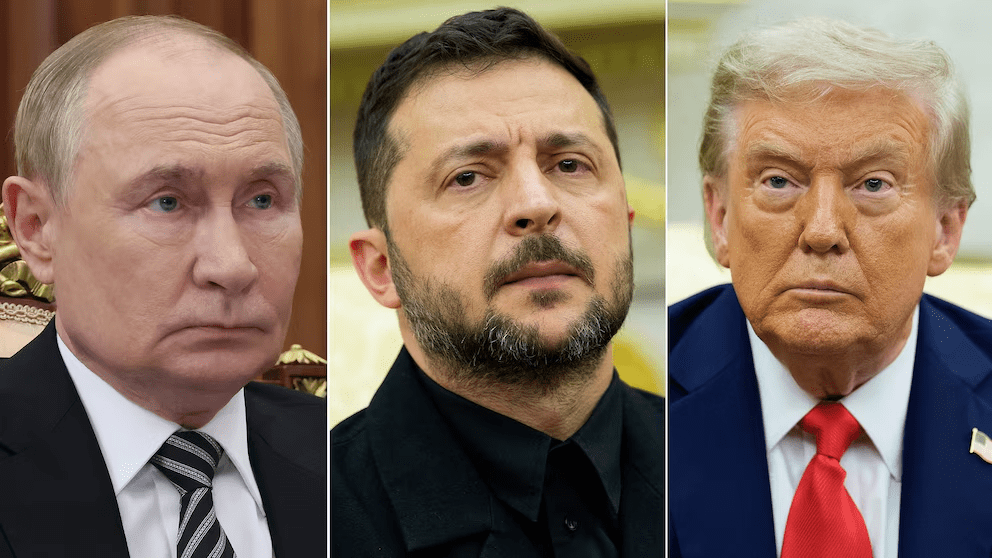
U.S. involvement, led by Secretary of State Marco Rubio and National Security Adviser Michael Waltz, has been the quiet architect, their shuttle diplomacy yielding the outline during a November 18 meeting in Geneva with Ukrainian Foreign Minister Dmytro Kuleba and Russian counterpart Sergey Lavrov. Rubio, 54, whose Cuban heritage informs his blend of hawkish realism and diplomatic finesse, described the talks as “tough but truthful,” emphasizing in a Fox News interview the human stakes: “Every day without progress means another family separated, another child without a classroom.” Waltz, a retired Army Green Beret whose Florida district includes military families, brought battlefield perspective, drawing from his service in Afghanistan to stress verifiable enforcement mechanisms. The U.S. official’s ABC quote—”The Ukrainians have agreed to the peace deal. There are some minor details to be sorted out”—captures the incremental optimism, with Army Secretary Dan Driscoll’s parallel channels to Russian counterparts ensuring Moscow’s buy-in, including phased sanctions relief tied to troop pullbacks. For American families connected to the conflict, like the Patels in suburban New Jersey whose nephew served a rotation training Ukrainian forces in 2024, the news brings a wave of weary relief. “We worried every night he’d be called up again; this could mean he comes home for the holidays,” Priya Patel says over a family call, her voice thick with the gratitude of a mother who’s lit candles for safe returns.
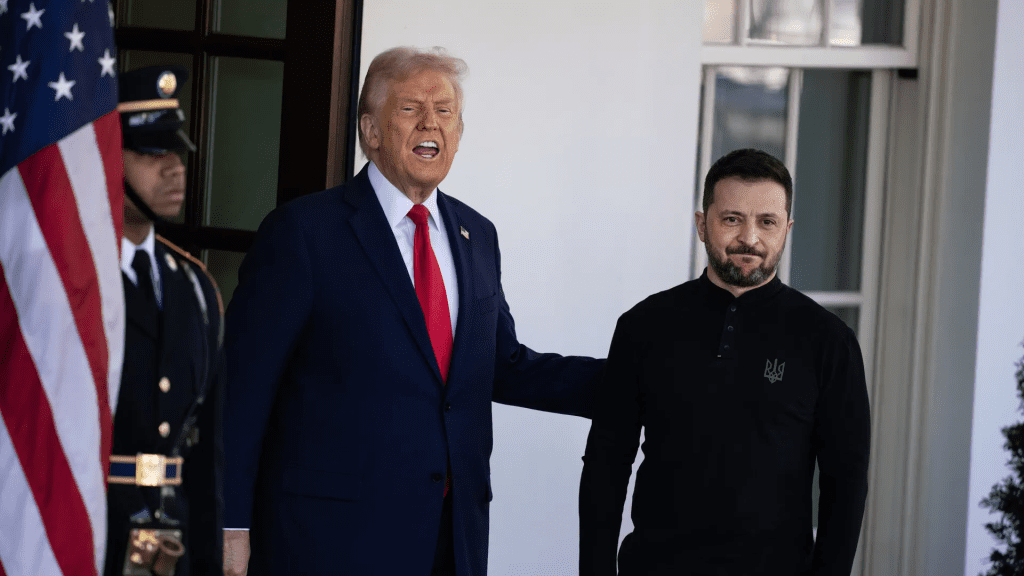
Public reactions have unfolded with the steady rhythm of shared stories, from Kyiv cafes where patrons linger over syrniki and scroll news feeds, to Washington think tank panels where analysts unpack the framework’s fine print. In Ukraine, where a November 23 KIIS poll showed 62 percent supporting negotiations if they include security guarantees, the agreement has sparked cautious conversations in bomb shelters turned community hubs. “We’ve lost too much to say no to peace, but we can’t lose our land too,” shares a 38-year-old teacher in Lviv during a market chat, her basket of fresh bread a small act of normalcy amid the talks. In Russia, state media frames it as a “mutual step back,” with President Vladimir Putin’s November 24 Kremlin remarks noting “pragmatic progress” while insisting on “historical justice” for Crimea. U.S. voices blend pride in diplomacy with calls for vigilance: veterans’ groups like the VFW praise the potential end to a war that’s cost $175 billion in aid, while humanitarian organizations like Doctors Without Borders highlight the need for aid corridors to reach 4.5 million displaced within Ukraine. For Anya Kovalevsky, sketching a family portrait in her notebook—Papa’s chair empty but drawn with hope—the framework is a distant blueprint, but one that colors her drawings with tentative blues of sky without smoke.
As Zelenskyy prepares for his Washington visit, tentatively set for December 5 amid Thanksgiving’s afterglow, the 19 points stand as a testament to the quiet work of resolution—ceasefires that could silence guns by New Year’s, reconstruction funds that rebuild schools for children like Anya, neutrality clauses that buy time for diplomacy’s slow bloom. For the Patels and countless families who’ve followed the conflict through nightly news and personal ties, it’s a moment of held breath, where the framework’s lines on maps might redraw lives on the ground. In Kharkiv’s frosted fields, Anya’s walk home continues, her steps a little lighter with the radio’s promise, a small girl’s faith in a world turning toward tomorrow’s peace.