TikTok Video of Fort Worth Target Leads to Charges, Raising Alarms Over Biden-Era Vetting Gaps in Allies Welcome Program
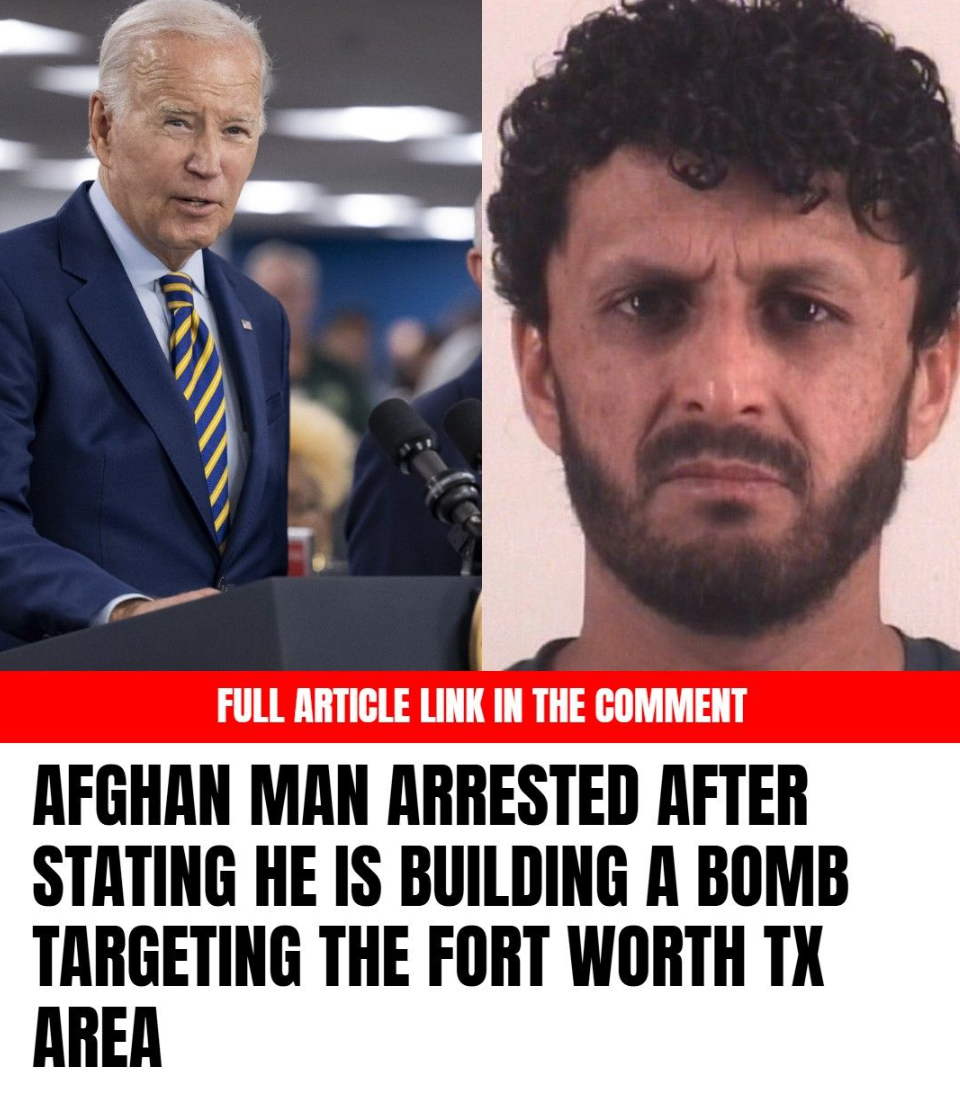
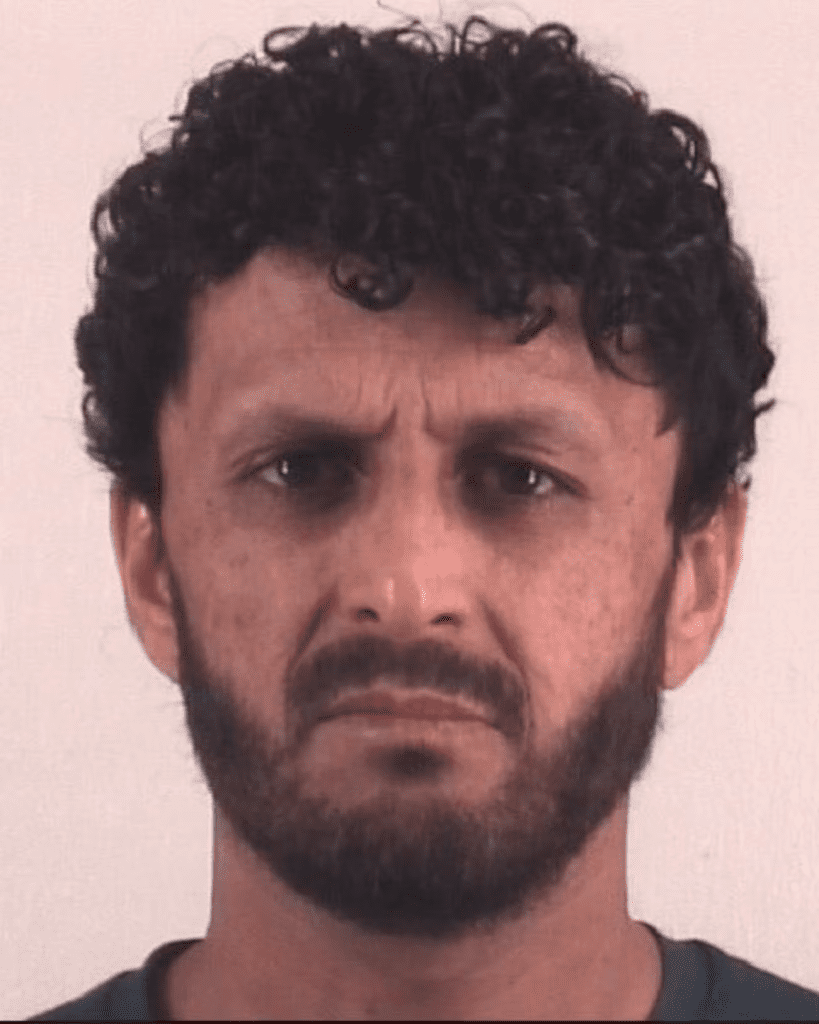
The midday sun beat down on the concrete sprawl of Fort Worth, Texas, on November 25, 2025, when 32-year-old Mohammad Dawood Alokozay stepped into a quiet alley behind a strip mall, his phone propped on a tripod as he filmed what authorities would later describe as a chilling display of intent. Alokozay, an Afghan national who arrived in the U.S. as a lawful permanent resident in September 2022 under the Biden administration’s Operation Allies Welcome, uploaded the TikTok video showing himself handling what appeared to be bomb-making materials, his words laced with threats aimed at a building in the Fort Worth area. “This is for them—for the lies and the land they stole,” he said in Pashto, subtitles flashing in English as he gestured to wires and containers, the clip a 90-second manifesto that would unravel his American life within 24 hours. Arrested the next day by the Texas Department of Public Safety and FBI Joint Terrorism Task Force, Alokozay now faces state charges of making terroristic threats, his detention coming on the eve of a deadly ambush in Washington, D.C., where another Afghan evacuee gunned down three National Guard troops. For Alokozay’s wife and four young children in their Fort Worth apartment, the raid shattered a fragile new beginning; for a nation still reeling from the D.C. tragedy, it reignites a painful conversation about the promises made to Afghan allies during the 2021 withdrawal—a resettlement lifeline that saved lives but now casts long shadows of doubt and division.
Alokozay’s video, flagged by TikTok’s automated moderation within hours of its November 25 upload, depicted him in a makeshift workspace cluttered with everyday items—fertilizer bags, batteries, and duct tape—arranged in a way that suggested explosive assembly, his narration a mix of grievance and resolve targeting “the heart of Texas power.” The platform alerted the FBI’s tip line at 8:47 p.m., triggering a rapid response: Agents from the Dallas field office coordinated with Tarrant County Sheriff’s deputies for a dawn raid on November 26, storming Alokozay’s two-bedroom rental where he was found with the phone still open to the app. “He was calm when they came—asked for his lawyer, nothing more,” his wife, Fatima Alokozay, 28, told reporters outside the Tarrant County Corrections Center on November 27, her hijab framing a face etched with exhaustion as their children clung to her skirt. Fatima, who arrived with Alokozay under the same SIV program after he worked as a logistics coordinator for U.S. forces in Kandahar from 2018 to 2021, described their life as one of quiet adaptation: He drove for Uber Eats, she sewed for a local tailor, their $42,000 combined income stretching to cover rent and English classes for the kids. The arrest, on charges carrying up to 10 years, came as ICE lodged a detainer, signaling potential deportation proceedings that could revoke his permanent resident status.
Alokozay’s path to the U.S., a thread in the vast tapestry of Operation Allies Welcome, began amid the 2021 Kabul airlift’s frenzy, when he and Fatima joined 123,000 Afghans evacuated in 17 days of C-17 flights and Black Hawk rescues. As a contractor who mapped supply routes and flagged IED threats for American convoys, Alokozay qualified for the SIV, a program Congress expanded to 140,000 slots since 2009 to protect those who aided U.S. efforts. Admitted September 7, 2022, as a lawful permanent resident after a year in Pakistan camps, he resettled in Fort Worth with $2,500 in startup aid, his family one of 76,000 placed nationwide per DHS data. “We left everything—our shop, our home—for safety. He was proud to help America; now this?” Fatima said, her voice a whisper of disbelief as she described the video as “a cry from frustration,” born of job rejections and whispers of Taliban reprisals back home. Fort Worth, with its 900,000 residents and growing Afghan community of 2,000, had become a haven—mosques hosting iftars, halal markets bustling on weekends—but the arrest cast a chill, neighbors like 55-year-old retiree Tom Wilkins pausing at mailboxes: “He seemed normal—coached my grandson’s soccer. Hate to see good folks caught in bad spots.”
The timing, one day before the November 26 Farragut Square ambush where Rahmanullah Lakanwal—a fellow Operation Allies Welcome entrant—allegedly killed three Guardsmen, amplified the shockwaves, linking two incidents in a narrative of vetting gaps from the 2021 withdrawal. Lakanwal, who entered in 2021 after Kandahar contractor work, drove 3,000 miles from Bellingham to D.C., firing on Harlan, Vasquez, and Beckstrom before being subdued. Harlan and Vasquez succumbed immediately, Beckstrom fighting 28 hours before passing on November 27, her father Gary at her bedside: “She squeezed my hand—fought like hell. But it’s a mortal wound; she’s at peace.” The tragedies, probed as terrorism, have fueled calls for SIV overhauls, with the June 2025 Justice report flagging rushed screenings that bypassed full biometrics for 15% of entrants. For Fatima, the parallel stings: “Rahmanullah hurt people—we’re not that. Why punish us all?” Her plea, shared in a Dallas mosque gathering of 200 Afghans on November 28, echoed the community’s quiet dread—job losses, school whispers, the fear of ICE vans in parking lots.
Public response, from Capitol Hill to community centers, weaves outrage with empathy, a nation pausing amid holidays to ponder protection’s price. In Fort Worth’s Tarrant County Jail, where Alokozay awaits arraignment, supporters like Rep. Ronny Jackson rallied 300 at a November 29 presser: “Vetting failed—time for accountability, not apologies.” Jackson’s words, a call for SIV revocations, drew cheers from oil workers weary of urban crime spikes, but sobs from Afghan families clutching faded visas. Online, #VettingFailed trended with 2.5 million posts, from veterans sharing handler stories to parents posting “welcome home” signs for resettled allies. A viral TikTok from 25-year-old interpreter Noor Khan in Seattle garnered 3 million views: “I dodged bullets for you—now, one man’s act strands me? We deserve better.” Khan’s clip, filmed in a rainy park with his toddler on his shoulders, highlighted the toll: 500 SIV applicants killed by Taliban since 2021 per Human Rights Watch.
Trump’s administration, responding with a USCIS asylum halt on November 28, frames the incidents as “wake-up calls,” Director Joseph Edlow announcing a “maximum screening” review of 76,000 green cards. “Safety first—our allies deserve it, but so do Americans,” Edlow said, the pause affecting 2.2 million cases per TRAC data. Advocates like No One Left Behind founder Sarah Miller decried “collective punishment”: “These are our brothers—saved lives in war, now left to die in peace.” Miller’s group, aiding 10,000 since 2021, reports 5,000 pending SIVs frozen, families in Pakistan camps with $50 stipends facing reprisals.
For Fatima, the freeze means returning to uncertainty—her children asking about “going home,” her husband’s coaching gigs lost to suspicion. As December dawns, with troops surging to D.C. and reviews for January 2026, Alokozay’s arrest invites reflection: Allies like Fatima deserve every chance, their visas not paper, but promises kept.