RNC Victory Forces Stricter Absentee Ballot Checks, Sparking Debate on Voter Access and Integrity in the Great Lakes State
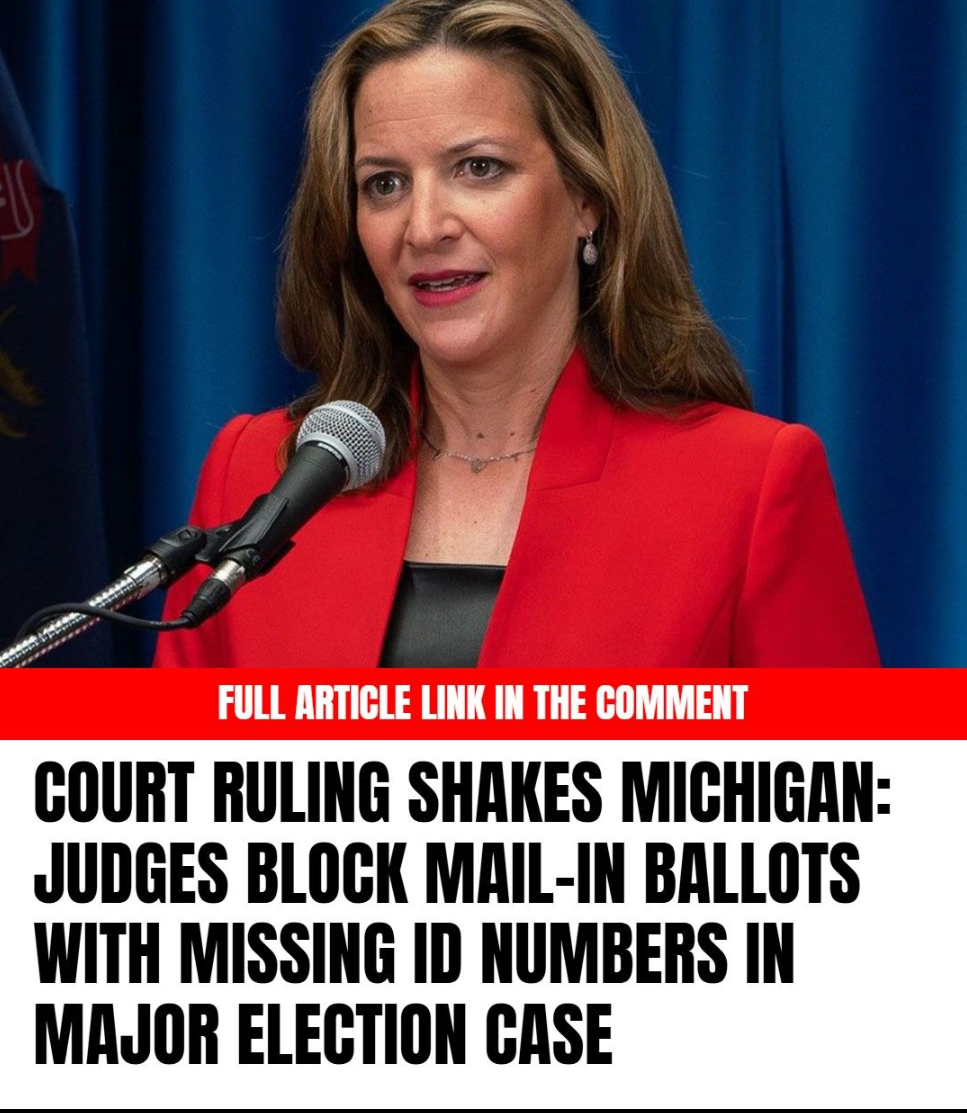
In the crisp December chill of a Lansing courtroom, where the scent of polished wood and fresh coffee lingered from the morning’s proceedings, a judge’s gavel fell on December 4, 2025, echoing like a punctuation mark on years of simmering election disputes. The Michigan Court of Claims had just ruled that Secretary of State Jocelyn Benson overstepped her authority by directing local officials to count absentee ballots even when identifying numbers on the envelopes and stubs didn’t match—or were missing altogether. For plaintiffs including the Republican National Committee and Michigan GOP, it was a hard-fought affirmation of state law’s plain language: Ballot stubs must match voter records, incomplete ones can’t be tallied. “This is a major win for election integrity and for voters who deserve confidence that every lawful vote is protected,” RNC Chairman Joe Gruters declared in a statement that rippled through news wires, his words carrying the weight of a party long vigilant about mail-in vulnerabilities exposed in the chaotic 2020 cycle. Yet, as clerks across the state absorbed the decision—gearing up to reject thousands of otherwise valid ballots in future counts—the ruling landed with a quiet ache in communities where voting already feels like navigating a minefield. For families who mail ballots from distant military posts or nursing homes, the stricter line draws a stark question: Does safeguarding the process truly secure democracy, or does it quietly disenfranchise those fighting hardest to cast their voice?

The case, Republican National Committee v. Benson, traces its roots to the spring of 2024, when Michigan’s absentee voting surged amid hybrid work lives and pandemic holdovers, with over 2.5 million mail-in ballots cast in the November general election alone, per state canvassers’ reports. Benson, a Democrat elected in 2018 on a platform of expanding access, issued guidance in her office’s Election Inspector Manual advising clerks to cure minor discrepancies—like a transposed digit in a voter ID number—before outright rejecting envelopes. “Our goal is to count every eligible vote, not create hurdles,” she explained in a March 2024 briefing, her tone a blend of educator and advocate, drawing from her days as a Wayne State law professor. But Republicans, led by Chesterfield Township Clerk Cindy Berry—a no-nonsense local official whose precinct saw heated challenges in 2020—saw it as a loophole masquerading as mercy. Berry, who testified in the trial about spending hours reconciling mismatched stubs only to have them counted anyway, filed suit alongside the RNC and state party, arguing the directive flouted Michigan Compiled Laws Section 168.765a, which mandates matching numbers for validity.
Judge Christopher P. Yates, in a 28-page opinion that balanced statutory text with practical realities, sided largely with the plaintiffs. “The statute is clear: Absentee ballots with non-matching or missing identifying numbers are invalid and shall not be counted,” Yates wrote, invalidating Benson’s instruction while noting it didn’t retroactively affect past elections. The ruling, effective immediately for 2026’s primaries and beyond, requires clerks to reject such ballots outright, potentially disqualifying 1-2% of mail-ins based on 2024 audits showing similar discrepancies in urban counties like Wayne and Oakland. For Berry, a mother of two who moonlights as a poll worker, the decision felt like vindication after sleepless nights poring over envelopes. “I’ve seen good people turned away because the system failed them—now, at least, it’s consistent,” she shared in a post-ruling call, her voice warm with relief but tempered by the knowledge that rules cut both ways.
Gruters, elected RNC chair in August 2025 after a contentious convention vote, wasted no time framing the outcome as a cornerstone of his “ballot security first” agenda. A Florida real estate attorney turned party builder, Gruters rose through the ranks championing voter ID laws in his home state, where he helped flip Miami-Dade red in 2024. “Ballot stubs must match, and incomplete ballots cannot be counted,” he emphasized in the RNC’s press release, flanked by images of the lawsuit filing and a graphic underscoring Michigan’s swing-state status—carried by Biden in 2020 by a razor-thin 154,000 votes. His comments tapped into a national undercurrent, where mail-in voting ballooned from 23% in 2016 to 46% in 2020 per MIT Election Data and Science Lab figures, prompting 300-plus lawsuits nationwide on verification standards. “This isn’t about suppressing votes; it’s about protecting them,” Gruters added in a CNN appearance, his measured delivery a nod to independents who, polls show, favor secure processes by 65% in battlegrounds like Michigan.
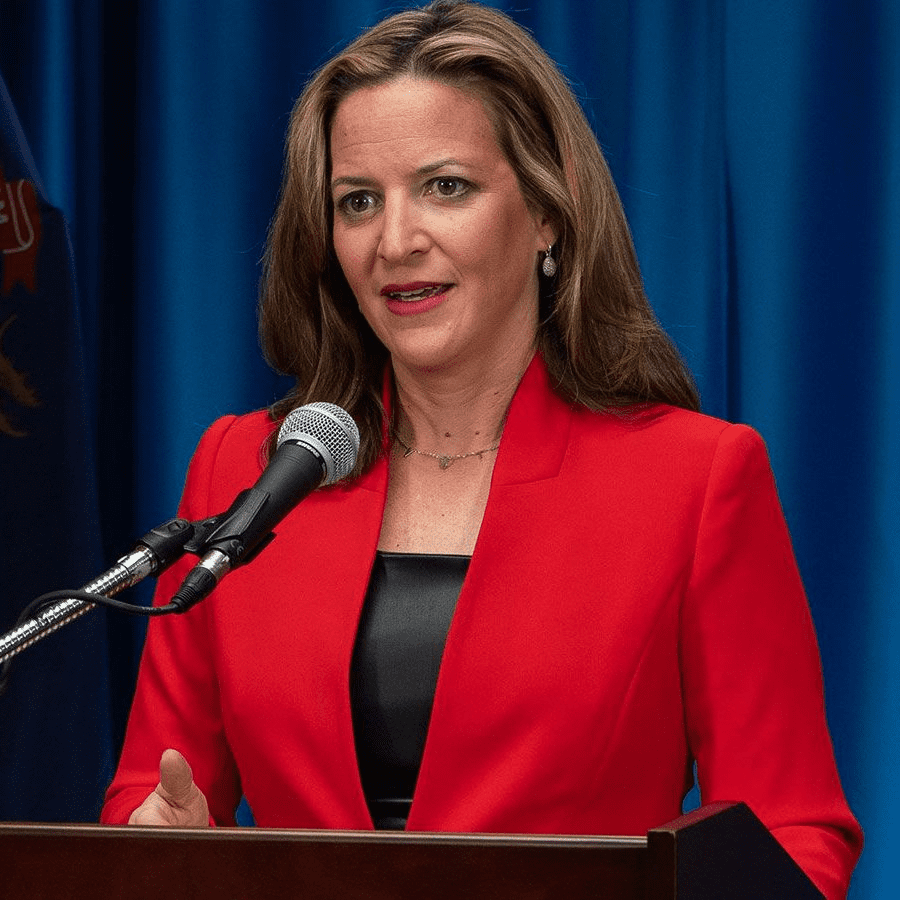
Benson’s office, ever the bulwark for access, pushed back with the grace of experience. A military spouse whose husband served in Iraq, Benson has weathered three major court losses on voting rules since 2018—from poll challenger restrictions to signature-match presumptions—each time vowing appeals or clarifications. Spokesperson Angela Benander called the suit “another chapter in the RNC’s years-long partisan strategy to file as many meritless lawsuits as possible,” a line delivered with the weariness of defending a system under siege. Benson herself, in a December 4 statement from her Lansing office overlooking the Grand River, struck a conciliatory note: “Michigan’s election laws are designed to ensure every eligible vote counts, and we’re committed to implementing this ruling in a way that upholds that principle.” Her approach mirrors her tenure’s ethos—expanding drop boxes in 2020 while auditing 1,000 precincts for accuracy—yet it underscores the human friction: For overseas voters like Army Sgt. Maria Lopez, stationed in Germany, a mismatched stub could mean her ballot joins the discard pile, silencing a voice earned through sacrifice.

The emotional pulse of the ruling beats strongest in Michigan’s diverse quilt of communities, where absentee ballots aren’t luxuries but lifelines. In Detroit’s east side, where porches sag under the weight of chain-link fences and election signs from November still flutter, 76-year-old retiree Harold Jenkins clutched his absentee envelope from the 2024 midterms, the identifying number scrawled in shaky pen. “My hands aren’t what they used to be— one digit off, and poof, my vote’s gone?” Jenkins asked over checkers at a senior center, his brow furrowed under a faded Tigers cap. A lifelong autoworker who mailed his ballot from a VA hospital bed last year, Jenkins embodies the gray-area voters caught in verification’s net—those with disabilities or elderly kin who rely on mail-ins at rates 30% higher than average, per a 2024 Pew analysis. For him, the ruling evokes a quiet dread: “I fought in Vietnam so my say matters—don’t make it harder now.”
Across the state in Grand Rapids’ Polish enclaves, where brass-band polkas spill from church halls, reactions lean toward reassurance. Local GOP volunteer Lena Kowalski, 55, a mother of three who canvassed for Trump in 2024, nodded approval over pierogi at a family gathering. “It levels the playing field—everyone follows the same rules, no shortcuts,” she said, her hands dusted with flour from rolling dough. Kowalski’s precinct saw a 2022 audit flag 800 mismatched stubs, mostly clerical errors but enough to fuel doubts in a city that flipped red for the first time in decades. Her optimism mirrors Gruters’ vision: a system where confidence blooms from clarity, reducing the 2020-style challenges that delayed certifications in Wayne County by weeks.
Nationally, the decision feeds into a tapestry of post-2020 reforms, where 28 states tightened absentee rules since 2021, from cure periods to witness requirements, according to the National Conference of State Legislatures. Peer-reviewed studies from MIT and Stanford, analyzing 2020’s 1,500 audits, find fraud rates below 0.0001%—rarer than lightning strikes—yet public trust hovers at 60%, per a November 2025 Gallup poll, with independents split on stricter verification. In Michigan, where absentee ballots tipped the scales in 2020 and 2024, the ruling could shave 10,000-20,000 votes from urban tallies, per Democratic modelers, potentially swaying close races like next year’s gubernatorial contest where Benson eyes the Democratic nod against Lt. Gov. Garlin Gilchrist.
As snow dusts the Michigan State Capitol’s dome, the ink on Yates’ opinion dries with implications that linger like winter fog. For Jenkins in his armchair, poring over voter guides, it’s a call to double-check envelopes before sealing fates. For Kowalski at her kitchen table, it’s faith renewed in a process that feels fairer, firmer. And for Benson, drafting clarifications in her office as aides brew fresh pots of coffee, it’s another chapter in safeguarding access amid scrutiny’s glare. In the Great Lakes State’s heart, where ballots carry the weight of winters endured and hopes kindled, this ruling reminds us: Democracy thrives not in perfection, but in the shared vigilance that honors every voice striving to be heard.