Amid Falling Crime Stats and Rising Tensions, Appeals Ruling Keeps Troops on Capital Streets, Echoing a President’s Vision of Domestic ‘War’
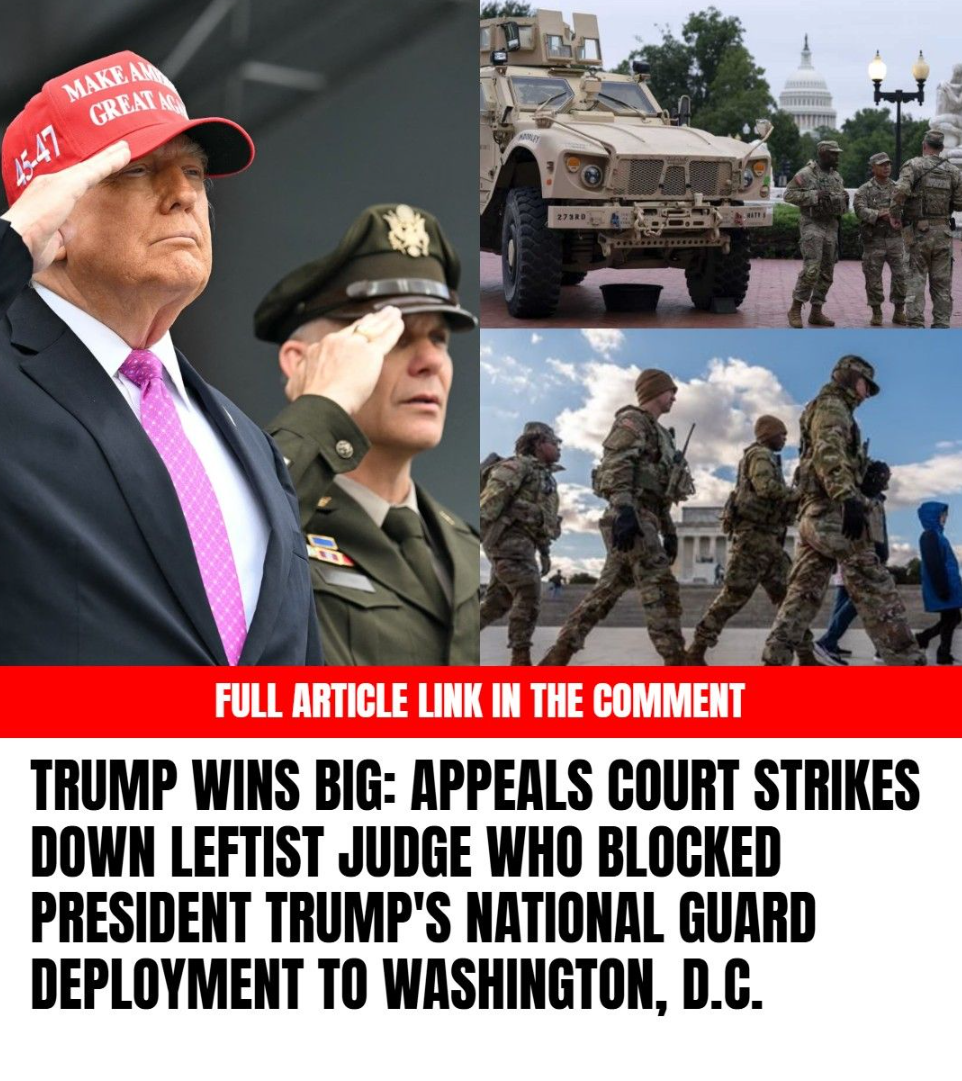
In the shadow of the Capitol dome, where the winter sun casts long, angular shadows across Pennsylvania Avenue on December 5, 2025, Sgt. Elena Vasquez adjusted her patrol vest and scanned the foot traffic near the White House, her boots crunching softly on the frosted pavement. The 28-year-old from Ohio’s National Guard contingent had been in Washington since August, one of over 2,000 troops deployed under President Donald Trump’s directive to combat what he called a “war from within” the nation’s heart. For Vasquez, a mother of two who enlisted after high school to pay for college, the days blurred into a rhythm of checkpoints and community walks—conversations with tourists snapping selfies, nods to locals hustling to work, and the quiet vigilance that came with knowing one wrong glance could unravel the calm. “It’s not glamorous; it’s grounding,” she said during a brief break, sipping coffee from a thermos as Humvees idled nearby. “We’re here to keep the peace, not make war—but after what happened last month, you feel every step.” That “what happened” lingered like an open wound: the November 27 shooting that claimed the life of fellow Guardsman Sarah Beckstrom and wounded Andrew Wolfe, a tragedy that fueled the very deployment now at the center of a courtroom saga. Just days earlier, on December 4, the U.S. Court of Appeals for the District of Columbia Circuit handed Trump a victory, pausing a lower court’s order to pull troops out by December 11—a reprieve that keeps Vasquez and her comrades on the streets, even as crime data paints a picture of a capital quieter than it’s been in decades.
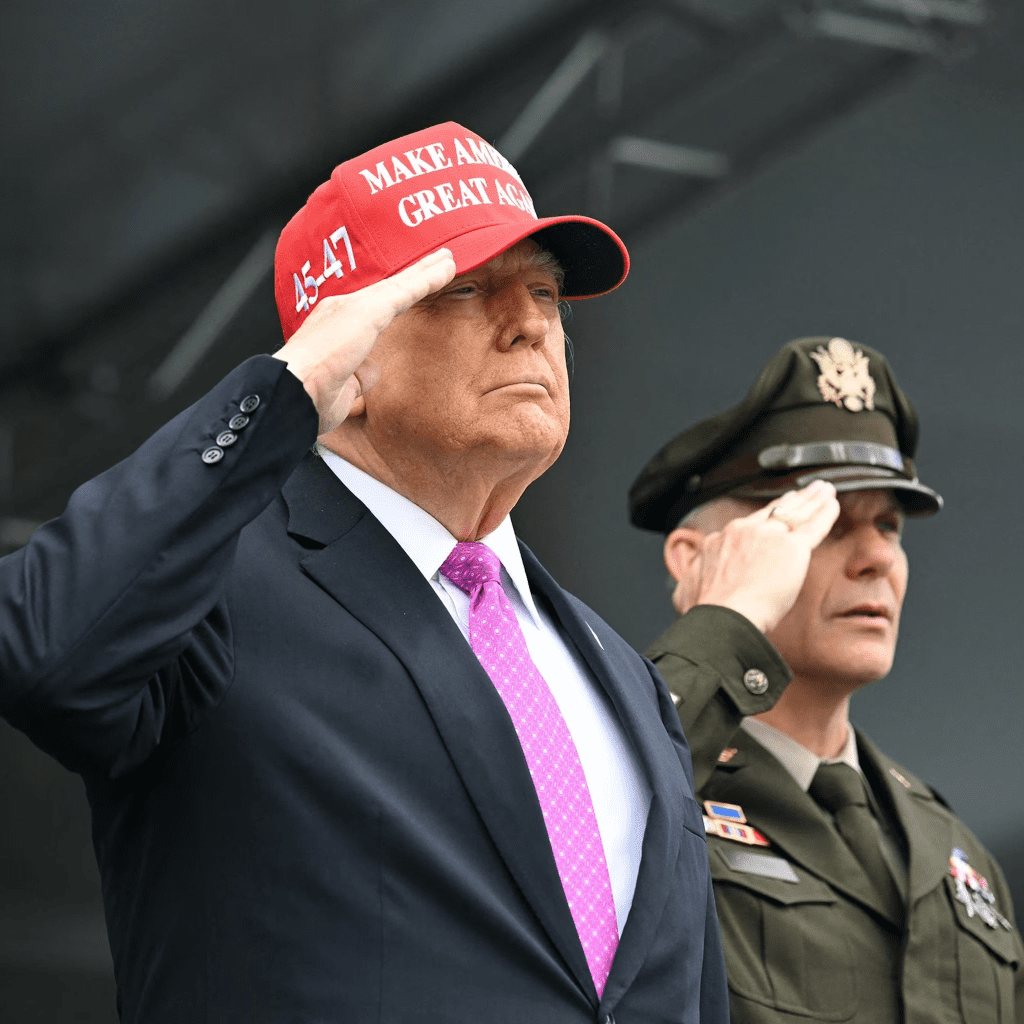
The appeals court’s unsigned order, terse yet telling in its brevity, lifted U.S. District Judge Jia Cobb’s November 20 injunction that had deemed the deployment unlawful under the Posse Comitatus Act—a 19th-century law barring federal troops from domestic law enforcement without congressional approval. Cobb, in her 61-page ruling, argued Trump overreached by federalizing Guard units from eight states—Louisiana, Mississippi, Ohio, South Carolina, West Virginia, Georgia, Alabama, and D.C. itself—to patrol city blocks, assist arrests, and deter unrest amid his immigration crackdowns. “The president may be commander in chief, but his power is constrained,” she wrote, emphasizing Congress’s oversight of the district’s unique status. The administration fired back swiftly, with White House counsel Abigail Jackson calling the suit a “political stunt” and asserting Trump’s inherent authority to safeguard federal assets. By pausing Cobb’s order pending full appeal—likely headed to the Supreme Court—the D.C. Circuit bought time, ensuring the troops’ presence through at least mid-December. For Vasquez, it meant another week of shifts, another layer of armor against the unknowns that claimed Beckstrom, a 20-year-old from West Virginia whose fallen-soldier procession just weeks prior had drawn silent crowds along the very avenues she now patrolled.
The deployment’s origins trace to a sweltering August afternoon in 2025, when Trump, flanked by Defense Secretary Pete Hegseth at a Mar-a-Lago presser, announced the move as part of a broader “restoration of order” in Democratic-led cities. “Washington is a symbol—it’s under siege from gangs, drugs, and chaos spilling over from our broken borders,” he declared, citing a spike in carjackings and assaults that, while real in pockets like Anacostia, belied broader trends. Justice Department data from the Metropolitan Police, released in October, showed violent crime down 35% year-over-year through September—homicides at 98, a 12% drop; robberies falling 26%; carjackings plunging 37% from 2024 peaks. Yet, Trump pressed on, invoking his commander-in-chief powers under Title 10 to federalize the Guard without D.C. Mayor Muriel Bowser’s consent, a nod to the district’s federal oversight. Bowser, in a fiery September 4 press conference outside City Hall, sued alongside Attorney General Brian Schwalb, accusing the president of “usurping local control” and turning the capital into a “militarized zone.” “These troops aren’t solving problems—they’re creating fear,” she said, her voice steady amid cheers from residents who’d grown accustomed to community policing, not checkpoints.
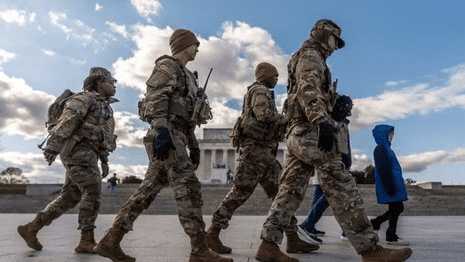
The November 27 shooting sharpened the debate’s edge, a tragedy that unfolded in seconds near the White House’s northwest gate. Beckstrom and Wolfe, on routine patrol, were ambushed by Rahmanullah Lakanwal, a 29-year-old Afghan national who entered the U.S. in 2021 under Biden’s Operation Allies Welcome and was granted asylum in April 2025. Armed with a .357 Magnum revolver, Lakanwal fired from a parked van, striking Beckstrom fatally in the chest and wounding Wolfe in the leg before fellow Guardsmen returned fire, subduing him. FBI Director Kash Patel, at a somber November 28 briefing with U.S. Attorney Jeanine Pirro, called it a “brazen, targeted attack,” linking Lakanwal’s past ties to CIA-supported anti-Taliban forces in Afghanistan to potential motives still under probe. “We grieve Sarah, a hero who served with honor,” Patel said, displaying photos of the young specialists amid a bank of microphones. Trump, from Mar-a-Lago, vowed a “permanent pause on migration from third-world countries,” ordering 500 more troops to D.C. and vowing reviews of all asylum cases—a response Bowser labeled “exploitative,” noting MPD’s view of it as isolated violence, not systemic threat.
Vasquez, who stood vigil at Beckstrom’s procession—a solemn march down Constitution Avenue lined with saluting passersby—carries the loss like a shadow companion. “Sarah was new, full of that fire you have at 20—she wanted to make a difference,” Vasquez recalled, her eyes distant as she described the honor escort, where West Virginia’s governor joined D.C. dignitaries in a sea of uniforms. For troops like her, the deployment blends routine with risk: Mornings drilling traffic patterns near the Lincoln Memorial, afternoons walking beats in Shaw where bodegas buzz with wary greetings, evenings debriefing over lukewarm chow. “We’re not cops—we’re backup, eyes on the horizon,” she explained, echoing Hegseth’s September 30 Quantico speech, where Trump warned top brass of a “war from within” American cities, floating urban patrols as “training grounds” for domestic threats. That address, to 800 generals in silent formation, drew muted applause but sharp rebukes from retired officers like Gen. Mark Milley, who called it a “dangerous precedent” in a CNN op-ed, arguing it eroded civil-military norms forged post-Vietnam.
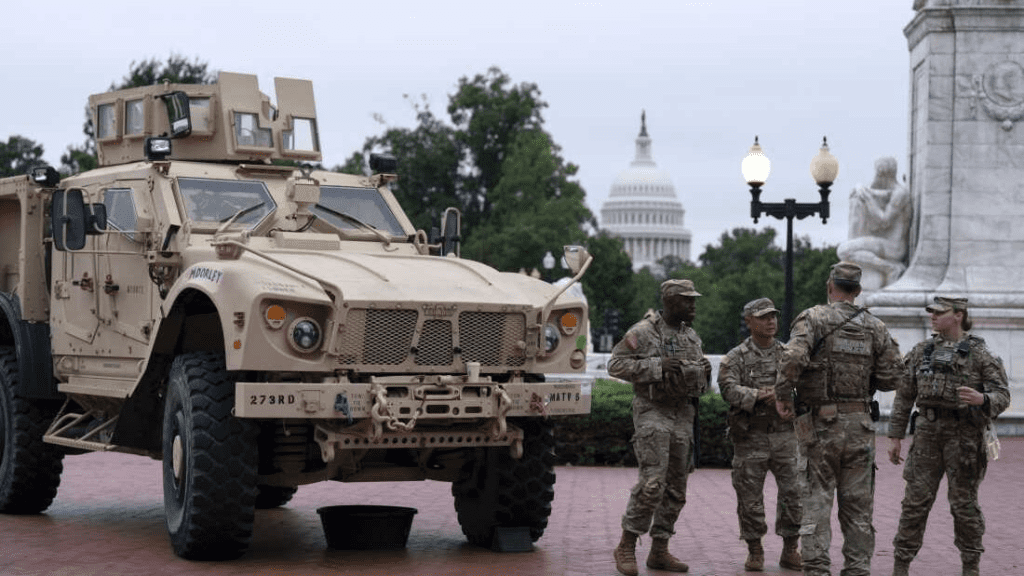
Public response weaves a tapestry of resolve and unease, threads pulled from D.C.’s diverse weave. In Anacostia barbershops, where clippers hum over conversations of jobs and justice, barber Darius Hayes, 41, trimmed a customer’s fade while eyeing a TV replay of the ruling. “Troops make me nervous—reminds me of checkpoints back when I visited family in Jamaica,” Hayes said, his scissors pausing mid-snip. A father of three whose block saw a carjacking last spring, Hayes appreciates the visible presence but questions its cost: “Crime’s down anyway—why the show of force?” MPD stats back him: Through November, violent incidents fell 22% from 2024, with homicides at 73, the lowest midyear since 2019. Across the river in Arlington, Virginia, where Guard families cluster, spouses like Vasquez’s wife, Lisa, host potlucks turned therapy sessions. “Elena’s calls are shorter now—’Stay safe’ hangs heavy,” Lisa shared over pot roast, her toddler doodling Guard helmets on paper. Support groups swell with 200 members, sharing tips on coping with deployments meant for abroad, not Anacostia.
Nationally, the saga spotlights Trump’s domestic military pivot, echoing Posse Comitatus challenges in Los Angeles—where Judge Charles Breyer ruled in September 2025 that 4,700 Guard and Marines violated the act during immigration raids—and stalled efforts in Chicago and Portland. Breyer’s injunction, stayed until September 12, barred troops from arrests and crowd control, a blueprint Cobb cited in her D.C. opinion. Legal scholars like Georgetown’s David Super see patterns: “These rulings test the Insurrection Act’s edges—Trump’s framing unrest as rebellion stretches it thin.” Bowser, in a December 5 town hall at the Wilson Building, urged unity: “Safety isn’t about tanks; it’s about trust—let’s build that together.” Her words, met with applause from 300 attendees including faith leaders and youth organizers, highlight D.C.’s pushback: Community violence interrupters trained 500 residents this year, crediting a 15% drop in assaults to local bonds, not boots.
As December’s solstice nears, with troops like Vasquez patrolling under holiday lights strung across the Mall, the appeals pause offers breathing room—a chance for reflection amid the rhythm of rounds. For Hayes in his chair, it’s a call for conversation over confrontation. For Lisa in her kitchen, it’s prayers for homecomings unbroken. In Washington’s resilient core, where monuments stand sentinel to divisions healed and harmed, this courtroom stay isn’t victory or defeat; it’s a pause in the march, inviting all to step toward a capital where security serves the soul of the city it guards.