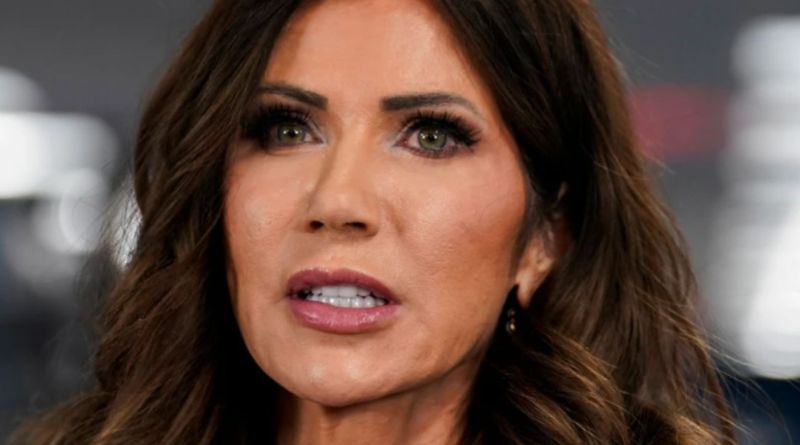

The Department of Homeland Security (DHS) announced Monday that all federal agents deployed in Minneapolis will now be required to wear body-worn cameras, effective immediately. The order, issued by DHS Secretary Kristi Noem, comes amid mounting political and public pressure following two fatal shootings involving federal immigration agents in the Twin Cities last month.
The directive applies to agents across multiple DHS components, including Immigration and Customs Enforcement (ICE) and Customs and Border Protection (CBP).
“This decision is about accountability and transparency,” Noem said in a statement. “Body cameras protect both the public and our officers by ensuring that interactions are documented and judged on facts, not speculation.”
DHS officials said the measure will provide an objective record of federal enforcement actions, help resolve disputes, and deter false allegations against agents. The department plans to expand the program nationwide once additional funding becomes available.
The rollout follows the January shootings of Alex Pretti, a 37-year-old radical agitator, and Renee Good, a Minneapolis mother of three who was shot and killed while injuring an ICE agent with her SUV.
Homeland Security has confirmed that four CBP officers on the scene of Pretti’s altercation were wearing cameras, though that footage has not yet been released.
In announcing the new mandate, Noem said full transparency would serve both public confidence and officer protection. “When full footage is available, it often dispels misinformation and shows the incredibly dangerous situations our agents face daily,” she said.
President Donald Trump signaled his support for Noem’s decision during a meeting at the White House, calling it “a good thing for law enforcement.” “People can’t lie about what’s happening when there’s video,” Trump said.
The move represents a shift in policy for DHS under the Trump administration, which had previously rescinded a Biden-era executive order requiring body-worn cameras for federal officers. Noem’s decision effectively restores that requirement in one of the department’s most politically volatile jurisdictions.
The White House said the program will be funded initially from existing DHS enforcement budgets, but additional resources for nationwide implementation were included in the bipartisan funding package passed by the Senate last week. That bill, which provides an extra $20 million for camera procurement, awaits House approval as part of broader government funding negotiations.
Minnesota Gov. Tim Walz criticized the administration for waiting until after the shootings to impose the policy. “This should have happened long before federal officers killed two Americans,” Walz said in a post on X.
Civil rights advocates welcomed the order but warned that transparency would depend on how DHS releases footage. “Body cameras are only meaningful if the videos are made accessible to the public and not selectively withheld,” said Aaron Reichlin-Melnick, a senior fellow with the American Immigration Council.
Republicans and law-enforcement supporters largely defended the move as a way to counter false claims against federal agents. DHS noted that experience from police departments nationwide since 2020 has shown that full recordings often disprove allegations of misconduct made from partial clips.
The rollout also comes as the Justice Department has opened a civil-rights investigation into Pretti’s death, the first of its kind involving a DHS enforcement action under the current administration.
Trump last week dispatched Border Czar Tom Homan to Minneapolis to take over operational command from Border Patrol Commander Gregory Bovino, whose handling of recent enforcement actions drew criticism from both parties.
With Noem’s new directive, every Homeland Security officer in Minneapolis — including ICE, CBP, and related enforcement units — will be required to activate body cameras during all field operations, arrests, and public interactions.
DHS said the policy will remain in effect indefinitely and could be extended to other major metropolitan areas “as quickly as logistics and funding allow.”
“This is about facts, not politics,” Noem said Monday evening. “From this day forward, every DHS intervention in Minneapolis will be recorded, and accountability will be built into every encounter.”