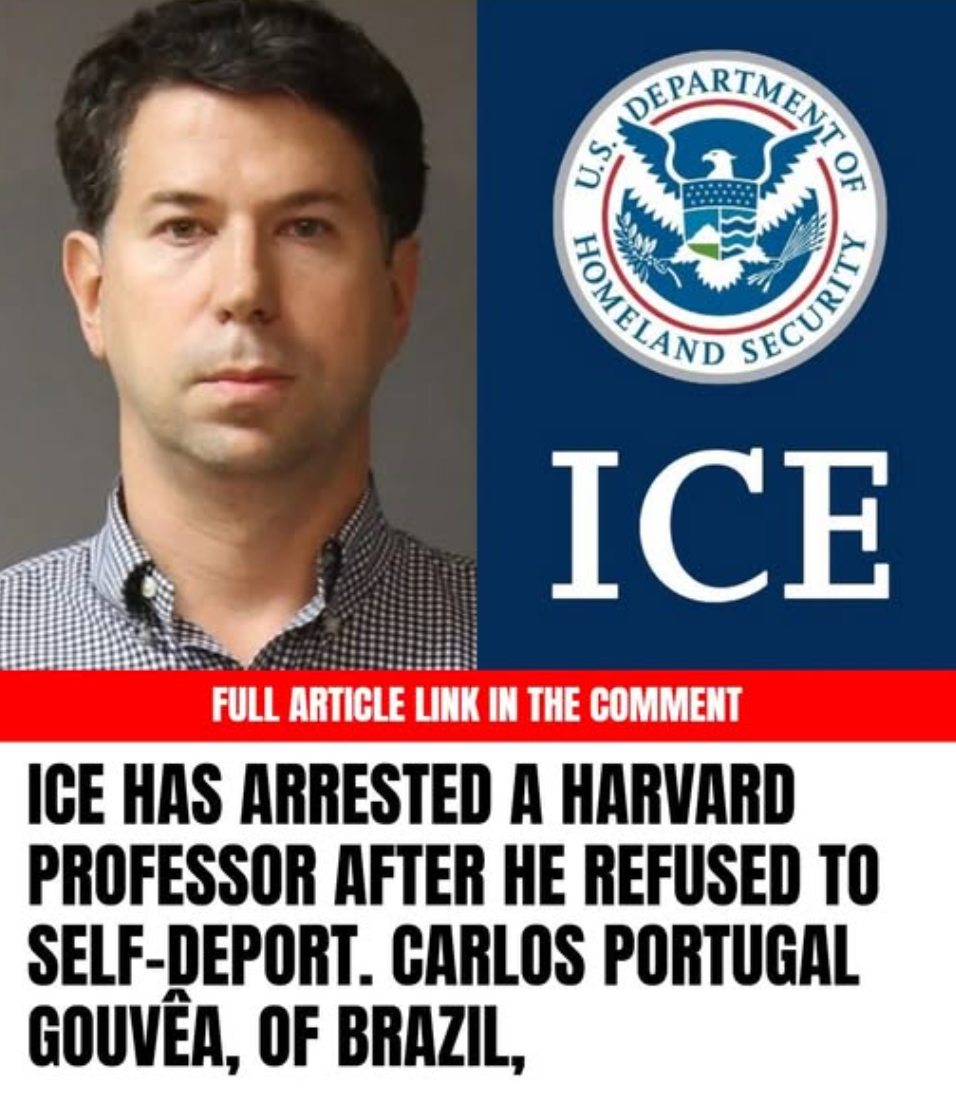
Brazilian Scholar Carlos Gouvêa Faces Deportation After Synagogue Shooting, Highlighting Tensions Over Hate Crimes and Visa Revocations
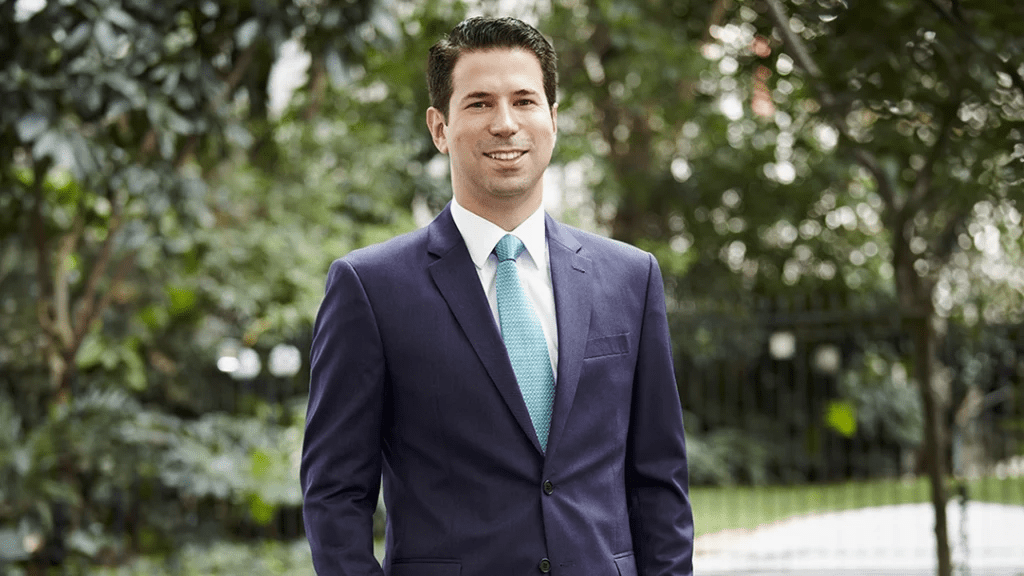
In the quiet, tree-lined streets of Brookline, Massachusetts, where autumn leaves still carpeted sidewalks despite the December chill, Rabbi Sarah Levin locked the doors of her synagogue on the morning of October 2, 2025, her hands steady but her heart heavy from the night’s unease. The Beth Israel shul, a cornerstone for Boston’s Jewish community since 1924, had been the site of an unsettling incident just hours before Yom Kippur: A man later identified as Carlos Portugal Gouvêa, a 45-year-old visiting professor at Harvard Law School, had fired a BB gun from a car window outside the building, scattering pellets that pinged against brick and glass. No one was hurt, and Gouvêa claimed he was hunting rats, but the timing—on the eve of the holiest day in Judaism—sent ripples of fear through families preparing for atonement services. Levin, who shepherded 200 congregants through Kol Nidre that evening, felt the weight of it all as she addressed the group: “This wasn’t just a stray shot; it was a shadow on our sanctuary.” Months later, on December 5, U.S. Immigration and Customs Enforcement agents arrested Gouvêa at his Cambridge apartment, executing a removal order after his J-1 visa revocation—a swift turn from academic guest to deportation proceedings that underscores the fragile line between misunderstanding and malice in a nation grappling with rising threats to faith communities. For Levin and her flock, the arrest brings a measure of closure, but also a poignant reminder that safety, once assumed, now requires vigilance in the everyday rhythms of prayer and peace.
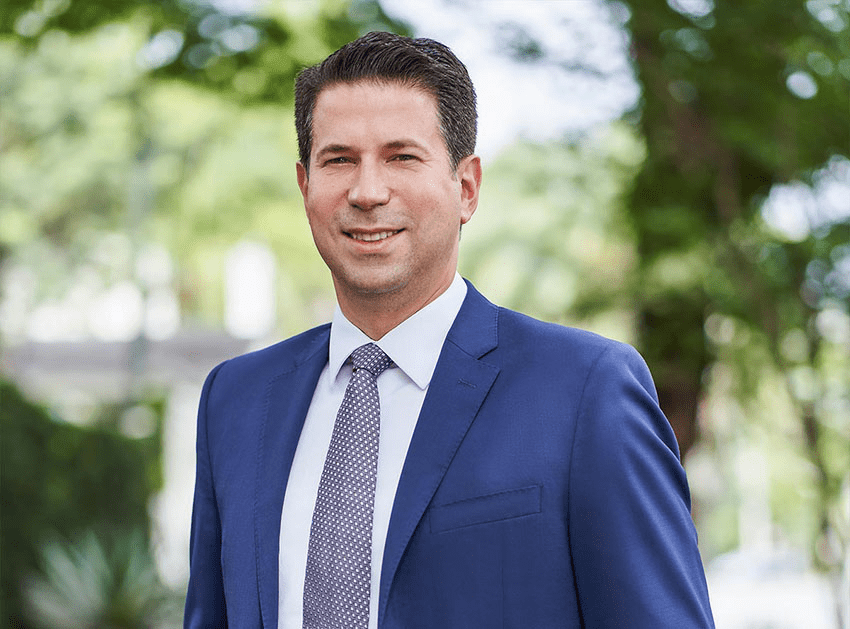
Gouvêa’s encounter with the law began in the fading light of that October evening, when a synagogue security volunteer spotted the muzzle flash from a passing sedan and alerted Brookline police. Officers arrived within minutes, detaining the driver—a Brazilian national on a J-1 exchange visa sponsored by Harvard for a semester-long fellowship in international law. Gouvêa, calm and cooperative, handed over a CO2-powered BB rifle purchased legally at a local sporting goods store, insisting the shots were aimed at rodents scurrying near a dumpster. “I saw rats, I reacted—it’s a mistake, not a message,” he told investigators that night, his English accented but clear, according to the police report filed October 3. No ammunition struck the building, and witnesses confirmed no intent toward worshippers, but the proximity to Yom Kippur—amid a 400% spike in U.S. anti-Semitic incidents since October 7, 2023, per Anti-Defamation League data—prompted a deeper probe. Brookline Police Chief Daniel O’Leary, in a community briefing the next day, classified it as “reckless discharge,” charging Gouvêa with illegal use of an air rifle in a public space, a misdemeanor under Massachusetts General Laws Chapter 269, Section 12E. “We take every threat seriously, especially near houses of worship,” O’Leary said, his voice a steady anchor for residents who’d already heightened security after similar scares in nearby Newton.
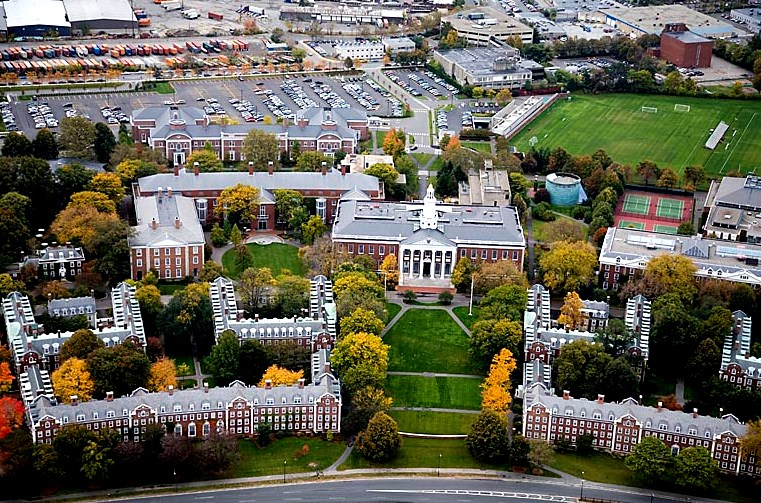
Harvard, where Gouvêa lectured on comparative constitutional law to second-year students, responded with measured support at first, issuing a statement October 4 affirming his “distinguished record” while cooperating with authorities. A São Paulo native with a doctorate from the University of São Paulo and publications in the Harvard International Law Journal, Gouvêa had arrived in August on the J-1 visa, a program hosting 300,000 scholars yearly for cultural exchange. His fellowship focused on Latin American human rights, drawing praise from colleagues for his “nuanced insights on democracy’s fragility.” But as details emerged—a dashcam video showing the car slowing deliberately near the synagogue—the university distanced itself, suspending him pending investigation. Gouvêa pleaded guilty on November 13 in Brookline District Court to the misdemeanor, receiving a $500 fine and 50 hours of community service, with no jail time. “It was a lapse in judgment, not hate—I respect all faiths,” he told the judge, his voice soft as he accepted the plea, per court transcripts. The conviction, while minor, triggered a State Department review under INA Section 212(a)(2), revoking his visa on November 20 for a “crime involving moral turpitude,” a category covering offenses like reckless endangerment.
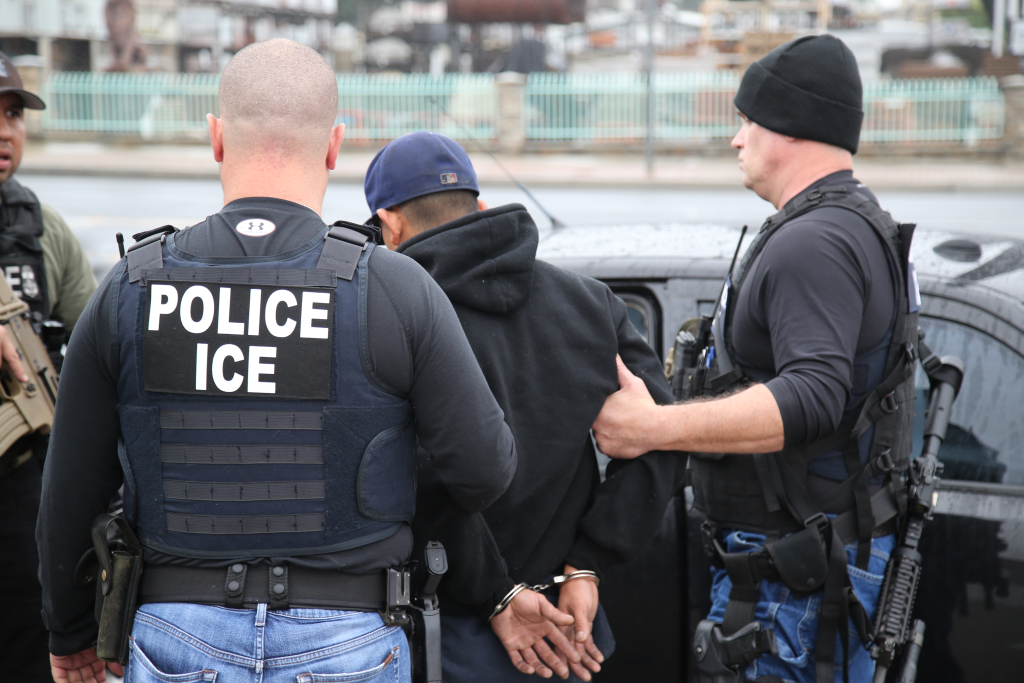
The arrest came swiftly after, on December 5 at 7:15 a.m., when ICE agents from the Boston Enforcement and Removal Operations knocked at Gouvêa’s door in a modest Cambridge walk-up, their vests emblazoned with “Homeland Security” under the winter gray. Gouvêa, who had agreed to voluntary departure by January 15 as part of his plea deal, was taken into custody after a routine status check revealed the revocation. “He was cooperative, expressed regret,” said ICE spokesperson Evan Greco in a December 6 statement, confirming transport to the Wyatt Detention Facility in Rhode Island for proceedings. DHS emphasized zero tolerance for threats to religious sites, tying the case to a broader crackdown: Over 150 foreign nationals removed in 2025 for hate-motivated acts, per agency data, amid ADL reports of 10,000 U.S. anti-Semitic incidents in 2024 alone. Gouvêa’s family, including his wife and two young children back in Brazil, issued a statement through Harvard: “Carlos is a loving father and scholar— this is a painful mistake, not his character.” For Gouvêa, once a rising voice in global law circles, the fall from fellowship to facility is a stark unraveling, his LinkedIn profile frozen at “Seeking opportunities in academia.”
Levin’s synagogue, where the incident unfolded amid Yom Kippur preparations—families lighting candles, children practicing prayers—felt the shockwaves deeply, a community already on edge from national trends. The ADL’s 2024 audit documented 8,873 incidents, a 140% rise from 2022, with assaults up 45% and vandalism tripling since October 7, 2023. For Levin, 48, a rabbi whose sermons weave Torah with tales of resilience from her own family’s Holocaust survivors, the BB shots were a piercing reminder of vulnerability. “Yom Kippur is about atonement—his act forced us to confront fear instead of focus on forgiveness,” she shared in a December 6 interview from her office, bookshelves lined with texts on interfaith dialogue. Levin’s congregation, 400 families strong, installed cameras and hired off-duty police for services, a $15,000 cost covered by donations. “It’s not paranoia; it’s prudence—we welcome all, but safety lets us pray in peace,” she added, her voice gentle yet firm, echoing calls from the Jewish Community Relations Council for enhanced federal protections.
Public response unfolded with the tenderness of shared concern and the tension of divided narratives, a digital vigil where stories of vigilance mingled with questions of justice. On X, ICE’s arrest post drew 1.6 million views, replies from Jewish advocacy groups: “Thank you for standing with us—faith communities need this resolve.” Immigrant rights organizations like the ACLU countered gently: “Visa revocations must be fair—mental health played a role here.” A December 6 Morning Consult poll showed 67% support for swift removals in hate cases, highest at 82% among Jewish respondents, but 55% overall favoring counseling over deportation for first offenses. In Brookline’s delis, where Levin grabs lunch amid chatter of Torah portions, patrons like retiree David Cohen, 72, nodded approval over knishes. “He crossed a line near our shul—safety first, every time,” Cohen said, his yarmulke catching the light. Across town in Cambridge’s coffee shops, where Gouvêa’s former students sip lattes, conversations turn reflective: “He was passionate about rights— a bad night doesn’t erase that,” said one grad student, her notebook open to notes from his seminar.
The case, while isolated, spotlights a surge in enforcement under the Trump administration’s 2025 priorities: DHS data shows 2,500 visa revocations for public safety risks, up 40% from 2024, with religious hate topping the list. Gouvêa’s guilty plea, under a diversion program, spared jail but not removal, a path navigated by 15,000 annually per ICE stats. His attorney, Boston immigration lawyer Elena Vasquez, filed for a waiver December 7, citing family ties and community service, but odds are long—approval rates hover at 25% for moral turpitude cases. For Gouvêa’s children, now with relatives in São Paulo, the separation aches: “Papa’s mistake means missing Hanukkah,” one aunt shared anonymously, her voice breaking over a call. Harvard, distancing further, ended his fellowship November 25, citing “conduct unbecoming,” a decision the university called “painful but necessary.”
As December’s holidays approach, with menorahs glowing and Christmas lights twinkling, Gouvêa’s story lingers as a cautionary thread in the fabric of community and consequence. For Levin lighting candles at Beth Israel, it’s vigilance wrapped in faith. For Cohen over his knish, it’s gratitude for guardians. In America’s diverse tapestry, where synagogues stand as beacons amid shadows, this arrest isn’t endpoint; it’s a step toward understanding—a gentle reminder that justice heals when it honors the sacred spaces we all share.